Cameroon’s Giant Showcasing the Region’s Largest Wood Operation
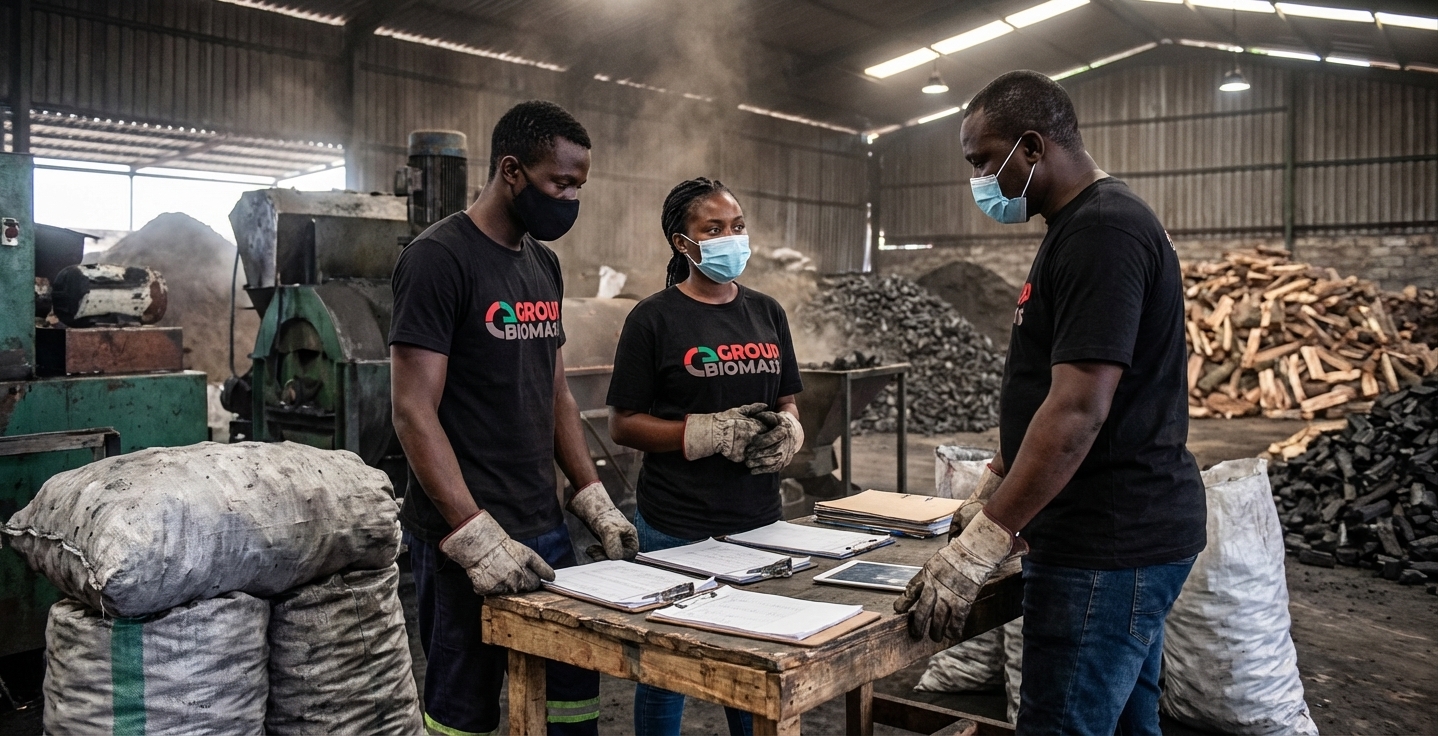
Deep within Cameroon , a massive facility stands as a representation to the rising demand for wood fuel . This production complex, reportedly the nation’s biggest wood plant , is drawing attention for both its output and the possible environmental ramifications. While providing employment for nearby communities, the plant’s activities are sparking debate about ethical forest harvesting and the overall health of the nation's woodlands .
Natural Lump Carbon Shipment Boom: The Promising Star
Cameroon is seeing a remarkable surge in dense lump carbon sales, positioning itself as a key player in the global industry. Thanks to expanding demand from European US and Asian markets, the nation’s output of this eco-friendly fuel is quickly expanding, offering new opportunities for Cameroonian communities and boosting the country's financial situation. The emphasis on environmentally friendly wood granulated carbon is demonstrating to be a essential aspect in gaining foreign investors.
Inside Cameroon’s Hardwood Lump Charcoal Factory: Production & Sustainability
Stepping into a typical Cameroon hardwood lump charcoal factory shows a rather straightforward system of manufacturing. Raw trees, often collected from sustainable woodlands, are thoroughly cut and carried to a oven. Inside, the lumber is carefully heated with minimal African hardwood lump charcoal oxygen, a procedure that converts it as piece charcoal. While the traditional methods employed can be difficult, increasingly new factories are adopting improved systems and seeking options to improve both efficiency and environmental sustainability. This covers allocating in renewable power and applying strict waste handling plans.
Cameroon's Lump Charcoal Industry : A Key Contributor in Worldwide Exports
Despite mounting environmental anxieties, Cameroon’s lump charcoal industry remains a surprising yet vital role in the global sales landscape. The production of charcoal from trees is a critical source of income for many of the nation's households , particularly in underserved regions . This operation generates a substantial quantity of lump charcoal destined for international consumers, often fueling energy needs in other nations , though this need creates challenges relating to deforestation and responsible forest management .
Le Face à Charbon de Bois En Bloc de Bois vs. Les Briquettes : Une Regard Camerounaise
En le pays, le choix entre le combustible de bois en bloc et les briquettes soulève une interrogation . Classiquement, , le combustible de bois a toujours été utilisé pour ses arôme typique et sa capacité de créer une température intense , appropriée pour les rôtisseries traditionnelles . Toutefois, les briquettes , plus disponibles à trouver et plus abordables, attirent à popularité , particulièrement auprès les zones urbaines .
Sustainable Charcoal Creation : The Future of Cameroon's Timber Industry
The current method of charcoal production in Cameroon presents a major problem to its valuable hardwood woodlands . However, innovative sustainable practices offer a promising path forward. These feature technologies like wood waste gasification and improved earth kilns , which lessen deforestation, cut emissions, and offer financial opportunities for local villagers. Embracing these sustainable alternatives is crucial to preserving Cameroon's biological heritage and securing the long-term future of its hardwood sector while mitigating climate change .